

To improve indoor air quality, focus first on what enters the air, then on how the home exchanges and filters that air. Everyday choices such as using an exhaust fan while cooking, keeping smoke outdoors, controlling dampness, and changing an HVAC filter as its manual directs can matter more than adding fragrance. The goal is not to make a home smell perfumed. It is to reduce avoidable pollutants and moisture while supporting safe, comfortable airflow.
Indoor conditions vary with the building, season, weather, occupants, pets, appliances, and nearby outdoor sources. A habit that helps in one home may be ineffective or unsafe in another. Treat the process as observation followed by targeted action: identify a likely source, check the equipment and building constraints, make one practical change, and notice whether the pattern improves. Persistent odors, visible mold, combustion concerns, or recurring physical symptoms deserve more than a generic cleaning routine.
Start with a room-by-room air audit
Walk through the home during the activities that usually change the air: cooking, showering, cleaning, hobby work, running a fireplace, opening attached-garage doors, or bringing in new furnishings. Note where odors begin, which windows collect condensation, whether a bathroom stays damp, and where dust appears quickly. Include timing. A smell that starts only when a furnace runs suggests a different investigation from one that appears after frying food or opening a storage cabinet.
Do not use scent as the only test. Some important hazards have little or no useful warning odor, while a noticeable smell can come from something irritating but not immediately dangerous. Confirm that required smoke and carbon monoxide alarms are present, working, and installed and tested according to the device instructions and local requirements. If an alarm activates, follow its instructions and local emergency guidance rather than trying to finish an air-quality checklist.
Write a short map with four columns: room, trigger, evidence, and first safe check. “Bathroom, after showers, wet ceiling corner, verify fan operation” is actionable. “Upstairs air feels bad” is not. A focused map keeps you from changing several products or devices at once, which makes it difficult to learn what actually helped.
Control sources before adding devices
The U.S. Environmental Protection Agency describes source control, improved ventilation, and air cleaners as basic approaches to better indoor air. Its overview of improving an indoor environment also makes an important distinction: filtration can support a plan, but it does not replace controlling the source. That principle is useful because many common air problems begin with an activity or material you can change directly.
Keep smoking and vaping outside and away from doors, windows, and air intakes. Never idle a vehicle or fuel-burning engine in an attached garage, even with the main garage door open. Store paints, fuels, pesticides, solvents, and other strong products exactly as their labels require; do not bring products intended only for outdoor or specialized use into living areas. Close the door between an attached garage and the home, and address damaged seals or door hardware through the appropriate property manager or qualified professional.
When using cleaners, adhesives, finishes, or hobby materials, choose the least intensive product suitable for the task and read the label before opening it. The label may specify ventilation, protective equipment, surface compatibility, storage, or disposal. “Natural,” “green,” or a pleasant smell does not establish that a product is harmless to breathe. Avoid mixing products, and keep chemicals in their original containers so instructions and warnings remain available.
New furniture, flooring, mattresses, and building materials can have noticeable odors. Follow the manufacturer’s unpacking and ventilation guidance, and do not assume that a fragrance spray solves the underlying emission. If an item causes a strong or persistent reaction, move away from exposure when possible and contact the manufacturer or an appropriate professional for guidance. Renters should involve the property manager before making changes to fixed ventilation or building materials.
Use ventilation at the source
Local exhaust is most effective when it captures moisture or particles where they are produced. Turn on a kitchen exhaust hood during cooking when it vents outdoors, especially for high-heat cooking or a fuel-burning range. Use the bathroom exhaust during showers and continue as needed until excess moisture clears. Because fans differ, let performance and manufacturer guidance determine operation rather than copying one fixed number of minutes.
Check whether each fan actually moves air and where it sends that air. A recirculating range hood can trap some grease or particles if its filters are maintained, but it does not provide the same air exchange as an outdoor-vented hood. A bathroom fan that discharges into an attic can create a building-moisture problem. Do not enter unsafe spaces or modify ducts casually; ask a qualified contractor or the property manager to verify questionable routing.
Opening windows can help when outdoor air is suitable, but “open everything every day” is not a universal rule. Keep windows closed when wildfire smoke, heavy traffic pollution, pollen, extreme humidity, or severe weather makes outdoor air a poor choice. Consider security, child safety, pets, window condition, and building rules. Cross-ventilation through two secure openings may move air more effectively than one window, while a fan positioned according to its manual can help direct airflow without creating a fall or electrical hazard.
Include airflow checks in your seasonal home preparation. Weather changes affect which windows you can use, how long damp materials take to dry, and when heating or cooling equipment begins operating regularly. The useful habit is not a rigid seasonal date; it is noticing the transition and confirming that vents, exhaust paths, and equipment remain unobstructed.
Make filtration match the equipment and room
For a central heating or cooling system, use only filter types and ratings compatible with the equipment. A filter that is too restrictive can reduce airflow or strain a system not designed for it. Find the model information, read the manual, check the filter’s direction of airflow, and install the correct size without gaps. Replace or clean it based on the manufacturer’s instructions and observed loading, which can change with construction dust, pets, smoke events, and system run time.
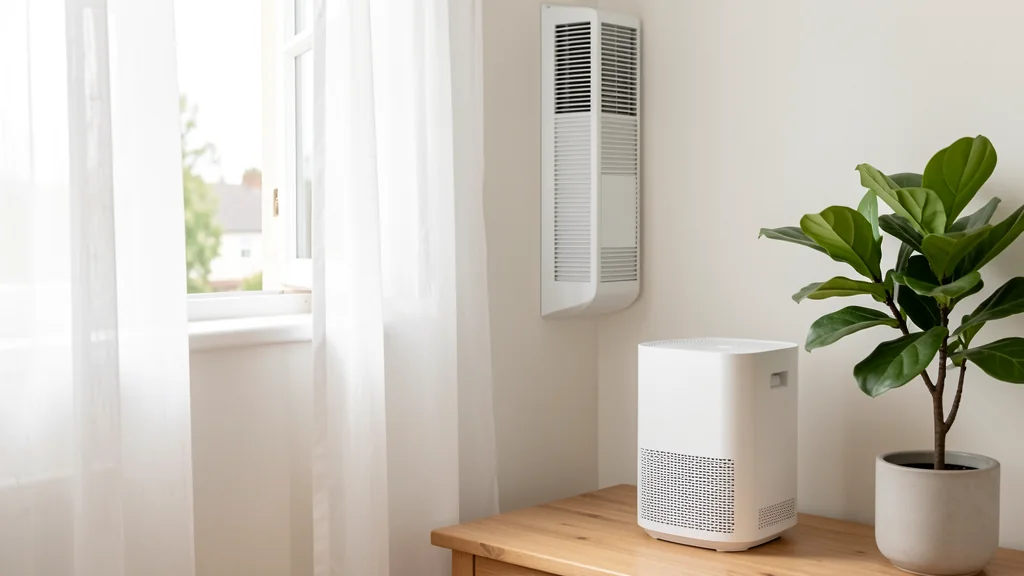
A portable air cleaner should be sized and placed for the room in which it will operate. Keep its intake and outlet clear, close doors or windows when the product instructions assume a defined room, and avoid hiding it behind furniture. Noise matters: the best device is one the household can run at a useful setting. Follow the manual for filter replacement, safe clearance, and cleaning. Do not rely on a device that intentionally produces ozone in occupied living space.
Filtration is not a repair for an active leak, moldy material, an unsafe combustion appliance, or fumes entering from a garage. It may reduce some airborne particles while the source continues. If particles reappear rapidly, return to the audit: look for open return cavities, damaged ducts, renovation dust, a deteriorating material, outdoor infiltration, or an activity that needs containment.
Manage moisture without chasing one perfect number
Moisture control is part of air quality because damp materials can support mold and dust mites, while overly dry conditions may feel uncomfortable and can damage some materials. Use condensation, musty odors, slow-drying towels, staining, and measured indoor humidity as clues. The appropriate range depends on climate, season, building construction, and equipment, so avoid treating a single target as correct for every home.
Respond to water at its source. Wipe up small spills, hang wet textiles so they can dry, use exhaust while producing steam, and keep furniture from blocking supply and return vents. Repair plumbing, roof, or envelope leaks promptly through the person responsible under the lease or ownership arrangement. After a larger leak or flood, hidden cavities and porous materials may require professional assessment rather than surface wiping.
Humidifiers and dehumidifiers need maintenance too. Stagnant water, dirty reservoirs, or incorrect settings can create a new problem. Use the water type, cleaning method, placement, and operating limits in the manual. Keep cords and equipment away from splash zones, and stop using a unit that leaks, overheats, or has damaged components.
Build low-friction cleaning and fabric habits
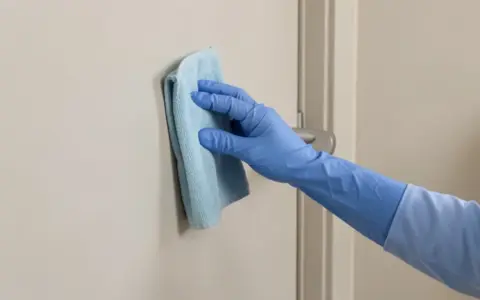
Dust removal works best when you capture particles instead of repeatedly launching them into the air. Use a damp or electrostatic cloth suitable for the surface, work from higher areas toward the floor, and clean tools after use. Vacuum with equipment and attachments suited to the flooring and furnishings, following its maintenance instructions. Empty a bag or bin in a way that limits the dust cloud, especially if someone in the household is sensitive.
Wash bedding, pet textiles, and washable entry mats according to their care labels and household needs. Place a practical mat at the entry and remove visibly dirty footwear when that fits the household. Groom pets using veterinary and product guidance rather than applying unapproved scented products to their coats or bedding. Keep litter areas clean and ventilated without combining chemicals.
Fragrance is not proof of cleanliness. Plug-ins, sprays, incense, candles, and heavily scented products add substances to indoor air and can bother some occupants. If the household wants to investigate a recurring smell, use the source-first process in this guide rather than layering scents. A detailed household odor troubleshooting route should distinguish moisture, drains, spoiled materials, pets, and equipment before masking anything.
Match the response to the pattern
| Observed pattern | First checks | When to escalate |
|---|---|---|
| Moisture lingers after bathing | Confirm the exhaust fan operates, the grille is clear, and the door undercut or makeup-air path is not blocked. | Ask building management or a qualified contractor to inspect weak airflow, improper ducting, stains, or recurring mold. |
| Cooking odors spread through the home | Use compatible lids and the outdoor-vented hood if present; clean hood filters as the manual directs. | Have fuel-burning equipment evaluated if there is soot, unusual flame behavior, an alarm, or physical symptoms. |
| Dust returns soon after cleaning | Check active projects, entry tracking, filter fit, open windows, textiles, and blocked returns. | Seek HVAC or building-envelope help when damaged ducts, unsafe access, or unexplained heavy deposits are suspected. |
| One room smells musty | Look for condensation, wet materials, leaks, overwatered plants, and furniture pressed against a damp wall. | Escalate persistent odor, hidden water, extensive growth, or damaged porous materials for appropriate assessment. |
| Air feels irritating during one task | Stop the task, move to fresh air if needed, review the product label, and improve source control before resuming. | Contact emergency services, poison control, or a healthcare professional as appropriate for severe or continuing symptoms. |
Common mistakes that weaken an air-quality plan
- Masking evidence with fragrance. A new scent makes it harder to track the source and adds another airborne material.
- Buying a device before identifying the problem. A particle filter cannot correct a leaking pipe or unsafe appliance.
- Using a universal filter schedule. Equipment requirements and filter loading differ; the manual and actual condition should guide timing.
- Blocking airflow for appearance. Furniture, curtains, boxes, and dust can obstruct returns, supplies, intakes, or exhaust grilles.
- Assuming outdoor air is always cleaner. Smoke, pollen, traffic, humidity, and weather can make window ventilation inappropriate.
- Cleaning suspicious growth aggressively. Scrubbing or disturbing extensive contaminated material can spread particles and may expose hidden damage.
- Ignoring a repeated pattern. Recurring condensation, alarms, soot, water stains, or symptoms need investigation, not another room spray.
Frequently asked questions
Will houseplants clean the air enough on their own?
Houseplants can make a room pleasant, but ordinary household plant arrangements should not replace source control, ventilation, or appropriate filtration. Overwatering can also add moisture or support mold in potting material. Choose plants for the light and household, keep them away from children or pets when toxicity is a concern, and manage watering carefully.
Should I keep windows open all day?
Not automatically. Window ventilation depends on outdoor air, temperature, humidity, security, window safety, and the source you are trying to control. Use secure openings when conditions are suitable, then close them when smoke, pollen, severe weather, or excessive moisture makes outdoor air less helpful.
How often should an HVAC filter be changed?
There is no reliable interval for every system and household. Use the equipment and filter manufacturer’s instructions, inspect the filter safely, and account for run time, pets, renovations, smoke, and observed loading. If the correct filter appears to cause airflow problems, consult an HVAC professional rather than improvising a different fit.
Can an air cleaner remove every indoor pollutant?
No. Performance depends on the pollutant, filter or technology, room size, airflow, placement, and operating speed. Many gas-phase pollutants and active sources require different controls. Choose a device for a defined need, follow its manual, and continue to manage the source.
When does a musty smell require professional help?
Get help when the source is hidden, water keeps returning, affected material is extensive, the building has sewage or contaminated-water exposure, safe access is limited, or occupants have health concerns. Renters should document the condition and notify the property manager according to the lease and local process.
Final takeaway
Better indoor air usually comes from a sequence, not a single purchase. Observe when and where the problem appears. Reduce the source. Use local exhaust or outdoor air when conditions allow. Maintain compatible filtration. Keep moisture and cleaning practices from creating a second issue. Recheck the result after normal household activity.
Start with one repeatable habit this week: run the correct exhaust fan, inspect one filter, move chemicals to label-approved storage, clear a blocked return, or document a recurring damp area. Small habits become meaningful when they address a real source and fit the building. When an alarm, combustion concern, extensive moisture problem, or persistent symptom falls outside routine care, stop experimenting and involve the appropriate emergency service, property manager, manufacturer, qualified contractor, or healthcare professional.