


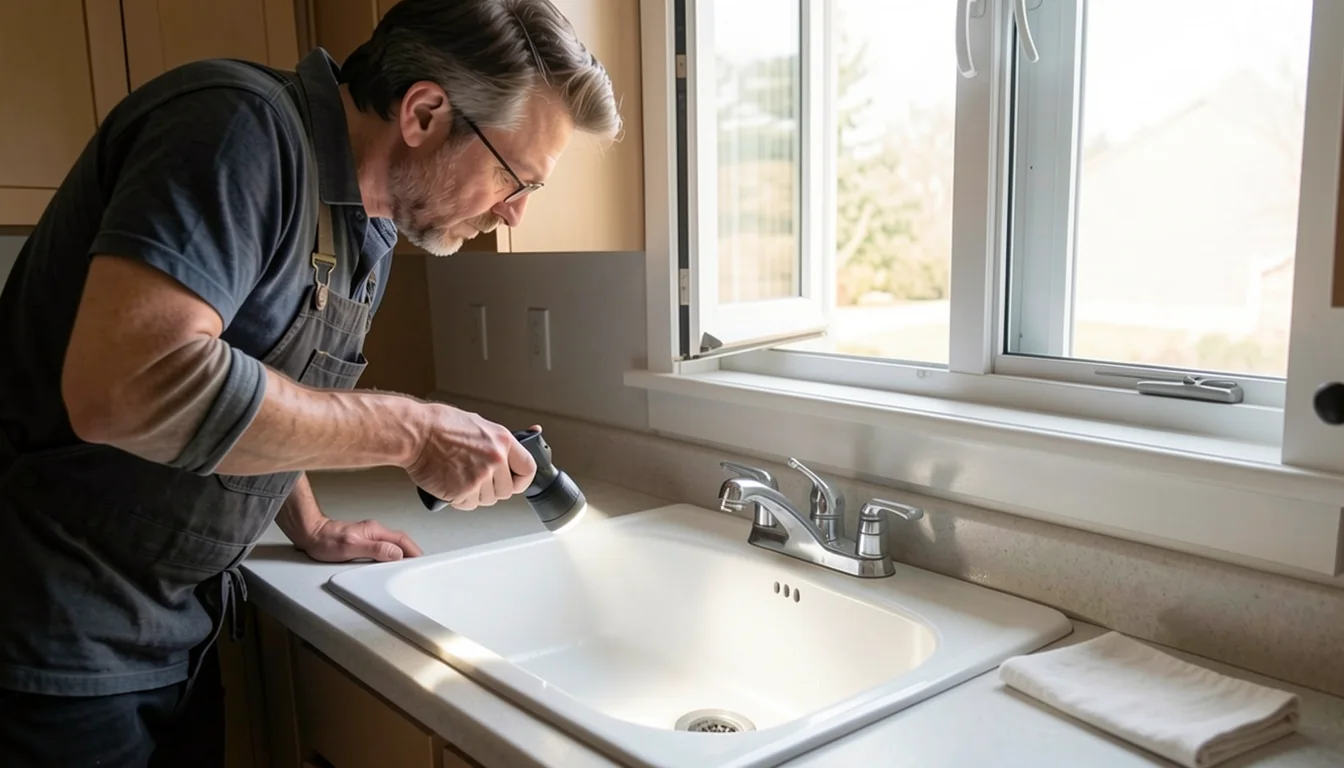
Household odor removal should start with observation, not air freshener. Smell is evidence that something is releasing molecules into the air, but the apparent location may not be the source. Air currents, shared walls, return vents, open doors, and plumbing pathways can move an odor far from its origin. Masking it may delay discovery of damp material, spoiled food, a dry drain trap, overheating equipment, or another correctable condition.
Use a calm sequence: decide whether the situation could be urgent, define where and when the smell appears, inspect likely sources without mixing products, remove the cause when it is safe to do so, then ventilate and reassess. A fragrance should never be used to declare a problem solved. If an odor is strong, sudden, causes symptoms, or resembles gas, smoke, burning wiring, or chemicals, leave the area as appropriate and contact emergency services, the utility, building management, or a qualified professional from a safe place.
First separate annoying from potentially dangerous
Do not continue sniffing around to identify a possible emergency. A fuel-gas odor, visible smoke, sparking, a hot outlet, a burning-plastic smell, a carbon monoxide alarm, dizziness, breathing difficulty, or sudden eye irritation requires a safety response rather than a cleaning experiment. Carbon monoxide itself cannot be seen or smelled, so an unusual odor is not a substitute for working alarms. Follow alarm instructions, appliance manuals, utility guidance, and directions from local responders.
A sewage-like odor that is intense, persistent, or accompanied by a plumbing backup also deserves prompt professional assessment. Do not enter contaminated water or open plumbing components beyond routine homeowner access. Renters should notify the responsible property contact according to the lease and emergency procedure. Keep children and pets away from the investigation area, especially around unknown residue or damaged equipment.
Build an odor map before touching anything
Stand outside the affected room, enter briefly, and note where the smell becomes stronger. Check at floor level, counter height, near doors, and near vents without placing your face inside a drain or appliance. Record whether it appears after rain, cooking, laundry, showering, running a sink, starting heating or cooling, opening a cabinet, or returning home after several hours. A repeatable trigger narrows the search more effectively than guessing the odor’s name.
List recent changes. Did a wet umbrella enter the closet? Was a room closed for several days? Did food spill behind an appliance? Was a filter, garbage disposal, humidifier, or pet area recently serviced? Did contractors use a coating or adhesive? A short timeline distinguishes a new event from a chronic building condition. Ask other occupants independently what they notice; descriptions such as earthy, sour, smoky, fishy, or solvent-like are subjective, but agreement about location and timing is useful.
Use clues to choose the next inspection
| Pattern | Reasonable first checks | When to stop |
|---|---|---|
| Earthy or musty after rain | Visible dampness, window tracks, under sinks, stored fabric, wall or ceiling changes | Hidden moisture, widespread growth, soft materials, or recurring leaks |
| Sour near soft furnishings | Recent spills, damp laundry, pet bedding, removable covers, cushion seams | Unknown contamination or material requiring specialist care |
| Stale near a little-used sink | Whether the fixture has been used, visible residue, and accessible overflow areas | Backup, leakage, damaged plumbing, or persistent sewer-gas odor |
| Food-like near the kitchen | Trash, drip trays, produce, cabinet corners, refrigerator directions, and floor edges | Appliance damage, pests, inaccessible decomposition, or electrical heat |
| Burning, gas-like, or sharply chemical | Do not investigate by operating switches or appliances | Leave and follow emergency, utility, alarm, or product directions |
Check moisture before adding fragrance
Mustiness often points to moisture, but the wet material may be concealed. Look for peeling finish, darkened grout, swollen trim, condensation, water marks, soft drywall, damp cardboard, or a cabinet base that feels different from surrounding material. Use your eyes and normal touch on safe, clean surfaces; do not disturb suspect growth or open a wall. A recurring leak needs repair, not repeated wiping.
Dry wet items according to their material guidance and correct the source of water. Ventilation can help after the source is controlled, provided outdoor conditions and household safety make it appropriate. A fan should not be aimed across unknown mold-like growth or contaminated material because it may spread particles. Large, hidden, recurring, or sewage-related moisture problems call for qualified help and may involve property-management procedures.
Humidity devices can create odors when they are dirty, incorrectly filled, or used outside instructions. Unplug equipment before routine care if the manual directs, empty and clean only as specified, and never improvise chemical mixtures. If the unit has damaged wiring, unusual heat, leaks into electrical areas, or remains smelly after permitted maintenance, discontinue use and seek service or replacement guidance.
Work through drains without chemistry experiments
A little-used fixture can develop odor when water in its trap evaporates. Running the fixture may restore the water barrier, but this simple possibility does not explain backups, leaks, or persistent smells. Observe whether water drains normally and whether odor changes after ordinary use. For floor drains, disposals, overflows, and specialty fixtures, follow the plumbing or appliance instructions rather than inserting tools or products blindly.
Never mix drain opener, bleach, ammonia, vinegar, peroxide, or other cleaners. Even familiar household products can release hazardous gases or cause splashing when combined. If a drain product has already been used, tell anyone else working on the drain exactly what was applied and follow the label for ventilation, protective measures, and next steps. A slow, repeatedly smelly, gurgling, or backing-up drain belongs with a qualified plumber or building contact.
Inspect kitchen and appliance zones systematically
Begin with exposed, ordinary sources: trash and recycling residues, produce, reusable shopping bags, dishcloths, sponges, pet bowls, and food under movable countertop items. Clean each material with a compatible method. Wash a trash container only with products suitable for it, dry it before relining, and avoid spraying fragrance into food-storage areas. If pests or droppings are present, pause and use appropriate public-health or pest-control guidance rather than sweeping residue into the air.
For a refrigerator, dishwasher, oven, washer, or garbage disposal, use the owner’s manual. Drip pans, filters, gaskets, and cleaning cycles vary by model, and some areas are not intended for user access. Disconnecting, moving, or opening an appliance can introduce electrical, gas, water, and tip hazards. If you suspect spoiled food behind a safely movable freestanding appliance, assess whether it can be reached without violating clearance or installation rules; otherwise arrange service.
Refrigerator odor is easier to prevent when food is visible and leaks are contained. The routines in refrigerator organization can make the next source obvious instead of letting it disappear behind crowded containers. Discard questionable food according to food-safety guidance rather than tasting it to investigate a smell.
Trace odors held by fabric and porous items
Upholstery, rugs, curtains, mattresses, laundry, and pet bedding absorb spills and moisture. Identify the material and consult its care label or manufacturer before saturating it. Blot a fresh compatible spill rather than rubbing it outward. Test any permitted cleaner in an inconspicuous spot, provide the ventilation required by its label, and keep the item out of use until fully dry.
Do not compensate for an unknown smell with layers of powder, essential oil, disinfectant, or fabric spray. Added substances may irritate occupants, affect pets, stain material, or complicate professional treatment. Enzyme products, steam, extraction, and deodorizing agents each have material limits and label requirements. For valuable rugs, leather, unknown upholstery, or contamination that penetrated cushioning, a suitable specialist may be the safer route.
Damp towels and cleaning cloths can sour quickly when folded or dropped in a closed hamper. Give wet textiles an appropriate drying stage before collection, then wash according to care labels. A practical laundry system should distinguish dry everyday clothing from wet or heavily soiled items so the hamper does not become the recurring odor source.
Remove the cause, then clear the remaining air
After safe cleaning or repair, remove used cloths and waste, wash hands as appropriate, and allow surfaces to dry. Ventilate according to weather, security, outdoor-air conditions, and product directions. Heating, cooling, and air-cleaning equipment should operate within its manual; a filter is not a cure for a leak, spoiled material, or a malfunctioning appliance.
Return later after being away from the room. The human nose adapts quickly, so a short break provides a more useful recheck. If the smell returns, compare the timing with your notes. One unsuccessful pass is a signal to revise the hypothesis, not to escalate randomly to stronger chemicals. Persistent odors with no accessible cause may require plumbing, HVAC, appliance, moisture, pest, or building-envelope expertise.
Verify the result over time
Mark the date and location after correcting a likely source. Recheck after the same trigger that produced the odor: the next rain, a completed dishwasher cycle, an overnight closed door, or several hours of heating. This controlled comparison is more reliable than repeatedly smelling the room during cleaning. Note visible conditions too, because a dry cabinet base and normal drainage provide different evidence from fragrance alone.
If several occupants notice symptoms only in one area, do not ask them to remain there for testing. Limit access and seek appropriate medical, building, utility, or environmental guidance. Keep a factual record of times, alarm activity, maintenance visits, weather, and observable changes. Avoid assigning blame or naming a contaminant without evidence; clear notes help a qualified person investigate efficiently.
Sometimes the original source is gone but odor remains in a removable object. Move only safe, portable items to an appropriate ventilated location and reassess the room and object separately. Do not move suspect contamination through occupied areas, and do not place odorous material outdoors where weather, animals, or property rules create another problem. When in doubt, contain access and ask the responsible service provider how the material should be handled. Keep your notes until the same trigger passes without odor at least once.
Common odor-removal errors
- Spraying first. Fragrance changes perception without proving that residue, moisture, or damage is gone.
- Mixing cleaners. Combining products can create toxic gases, heat, or unpredictable reactions.
- Following the smell into unsafe access. Electrical panels, wall cavities, roofs, and installed appliances are not casual inspection spaces.
- Assuming every musty smell is surface dirt. Recurrence often means water is still entering or material remains damp.
- Overwetting porous material. Excess liquid may move contamination deeper and lengthen drying time.
- Ignoring timing. Rain, appliance cycles, plumbing use, and closed-room conditions can reveal the source family.
- Trusting odor alone for safety. Some hazards are odorless, while harmless materials can smell strong; alarms and professional assessment matter.
Frequently asked questions
Will baking soda remove every household odor?
No. It may help with certain accessible odor conditions when the material and manufacturer allow it, but it cannot repair moisture, plumbing, electrical, pest, or appliance problems. Avoid sprinkling it into machinery, electronics, delicate textiles, or ventilation equipment unless instructions specifically permit that use.
Why does a room smell only when the door has been closed?
Closing the room reduces air exchange, allowing low-level emissions or moisture-related odors to accumulate. Check stored textiles, trash, plants, windows, vents, and visible moisture. If the effect persists or causes symptoms, stop occupying the room and seek appropriate building or environmental help.
Can an air purifier solve a musty smell?
An air cleaner may reduce some airborne particles when correctly selected and operated, but it does not dry wet material or stop a leak. Address the source first and follow the equipment manual for placement, filters, and operating limits.
When should a renter report an odor?
Report urgent conditions immediately through the property’s emergency route. Also document recurring sewage, moisture, burning, chemical, pest, or building-system odors according to the lease. Include dates, locations, triggers, visible changes, and actions already taken without claiming a cause you cannot verify.
Final takeaway
An odor is a clue, not a cleaning category. Screen for urgent hazards, map the pattern, test one plausible source at a time, and stay within labels, manuals, property rules, and safe access. Once the actual spill, dampness, residue, plumbing condition, or equipment issue is corrected, fresh air can clear what remains. If the smell returns, the investigation is not finished—and stronger fragrance is not the missing step.