

Learning how to unpack after moving is less about speed than sequence. Boxes linger when every room becomes active at once, essential items are mixed with low-priority belongings, and empty packaging has no exit route. The solution is to restore household functions in dependency order: safe movement, sleep, hygiene, food, clothing, daily departures, and only then the less urgent layers of comfort and display.
Do not judge progress by the number of open boxes. An opened carton can create five unfinished decisions. Judge progress by usable outcomes: the bed is ready, the bathroom supports a normal morning, the kitchen can produce a simple meal, and tomorrow’s clothes are accessible. Each finished function lowers stress and gives the next work session a stable base.
Begin with a landing audit
Before opening ordinary boxes, walk through the home and look for immediate issues: blocked exits, damaged flooring, active leaks, exposed wiring, missing window locks, unstable railings, unusual odors, or appliances that appear improperly connected. Photograph and report rental or moving damage through the applicable process. Follow the lease, building instructions, utility guidance, and equipment manuals instead of experimenting with unfamiliar systems.
Confirm that the main entry closes and locks as intended, smoke and carbon monoxide devices are present where required, water is available, and essential lighting works. If a utility, alarm, gas odor, electrical condition, or structural concern seems unsafe, stop and contact the responsible provider, property manager, emergency service, or qualified professional. Unpacking around a hazard only makes later access harder.
Create one clear route from the entrance to the bathroom, sleeping area, and an exit. Move boxes along walls only where they remain stable and do not obstruct doors, vents, panels, heaters, sprinklers, or required access. Keep tall stacks below the point where they become unstable; box condition and contents matter more than an arbitrary stacking rule.
Establish four control zones
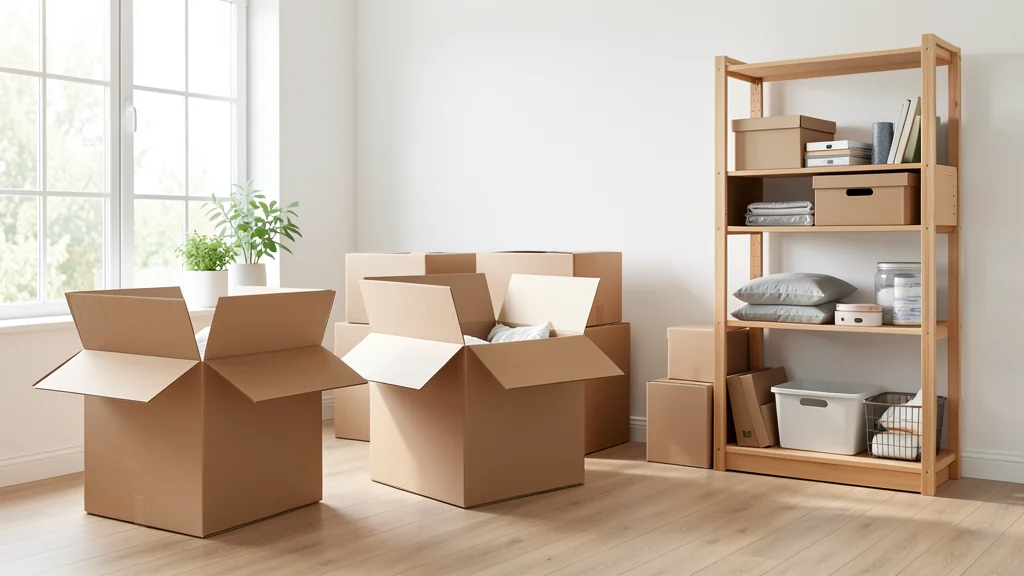
The active zone contains only the boxes being processed in the current session. Keep this group small enough to finish. The waiting zone holds closed cartons assigned to their destination rooms. Labels should face the aisle so you do not rotate every box to find one.
The decision zone is a bounded area for objects that cannot be placed yet. Perhaps furniture needs measurement, wall mounting requires permission, a cord belongs to unidentified equipment, or two household members need to choose a location. Use one bin, one shelf, or one section of wall. When it fills, resolve decisions before adding more.
The exit zone holds flattened cardboard and contained packing paper in a form accepted by your building or local service. Keep nails, staples, straps, plastic film, foam, and other materials separated as required and inaccessible to children or pets. Never block a hallway or fire exit with recycling. If reusable boxes belong to a mover, follow the return instructions.
Restore the first night before decorating
Set up the sleeping space first enough to rest safely. Assemble the bed according to its manual, confirm all fasteners and supports, and do not improvise missing hardware. Put on bedding, provide a clear route to the door, place one suitable light, and locate chargers and needed medication. Decorative pillows, art, and under-bed organization can wait.
Make one bathroom operational. Install only approved items, check that the shower or tub drains, place towels and toiletries, and keep cleaning products in their original containers. Put toilet paper, soap, and a small waste container where they are immediately usable. Avoid opening every linen box; retrieve enough for the next few days and leave the rest assigned to the room.
Prepare a basic change of clothes and the items needed to leave home the next morning. A temporary home drop zone near the entrance can hold keys, a bag, shoes, and incoming papers while you learn the new traffic pattern. Keep it compact so it does not turn into another unpacked pile.
Make the kitchen minimally complete
Start by cleaning food-contact and storage surfaces with methods suitable for their materials. Confirm that appliances are installed and operating according to their manuals; do not connect or move equipment that requires professional service. Inspect cabinets for damage, moisture, pests, or residues and contact management or a qualified professional when a concern falls outside ordinary cleaning.
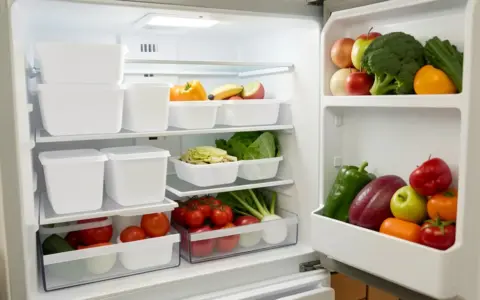
Unpack a small working set: one place setting per person, a few glasses or mugs, one pan, one pot if used, a cutting board, appropriate knives, basic utensils, dishwashing supplies, and the tools needed for the next meals. Wash items as their care directions require before use. A functional kitchen does not need every serving platter or specialty appliance on day one.
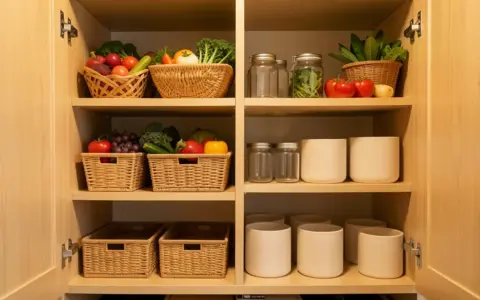
Place items provisionally near the task that uses them, while preserving heat, ventilation, outlet, and appliance clearances. Do not pack counters simply to empty boxes. After several meals, adjust placement based on real movement. Later, you can organize the pantry around meals you cook instead of guessing which ingredients deserve the easiest positions.
Use a closed-loop box method
Select one box whose destination room is ready. Read the label, carry or slide it using safe handling and appropriate help, and open it in that room. Remove every item, place it in a usable provisional home or the bounded decision zone, then deal with the packaging. Do not walk away from a half-empty carton to open something more interesting.
If a box contains several rooms, use small delivery baskets rather than scattering items through hallways. Fill a basket for one destination, deliver it, and return. Mixed boxes are evidence about packing, not a requirement that the entire home become active. Keep tiny hardware, remotes, and cables with their related equipment whenever you can identify them reliably.
Stop a session after closing a loop, not at the moment energy disappears. Ten minutes reserved for folding cardboard, gathering tools, clearing the path, and choosing tomorrow’s first box protects the progress already made. A shorter session with a clean finish is more useful than an exhausting burst that leaves sharp tools and packaging across the floor.
| Stage | Usable outcome | What can wait | Finish signal |
|---|---|---|---|
| Arrival | Clear routes, working entry, documented concerns | Furniture styling and decor | People can reach essential rooms and exit without navigating boxes. |
| First night | Bed, basic bathroom, medication, chargers, next-day clothes | Extra linens and closet refinement | A normal bedtime and morning are possible. |
| Basic kitchen | Simple food preparation, eating, and cleanup | Specialty tools and entertaining pieces | One uncomplicated meal can be made and cleaned up. |
| Daily systems | Laundry, clothing, work or school gear, pet needs | Seasonal and occasional belongings | A routine weekday no longer requires searching through cartons. |
| Long-tail rooms | Books, hobbies, guest items, art, and refined storage | Permanent mounting until layouts are tested | Remaining decisions are specific and contained, not scattered. |
Unpack rooms according to their dependencies
Clothing depends on assembled furniture, clean closets, and knowledge of available hanging space. Unpack the current season and frequent categories first. Keep special-occasion and off-season items closed until daily clothing works. If closet components require mounting or changes, follow lease permissions, wall information, product instructions, and appropriate installation practices.
Laundry depends on safely installed equipment or knowledge of the building laundry process. Verify connections and operating instructions before running a machine. Set up one hamper, detergent stored as labeled, and a simple path from dirty clothing to washing and return. A broader laundry system can come later, after the equipment and everyday route work reliably.
Work, school, and pet routines deserve priority when they must function immediately. Locate essential devices and compatible chargers before decorative office items. Set up pet food, water, bedding, medication, and containment according to veterinary, product, and building guidance. Keep packing straps, plastic, foam, and open toolboxes away from animals and children.
Correct provisional homes after real use
Label a placement “temporary” in your mind, not necessarily with adhesive on a delicate surface. Live with the kitchen, entry, bathroom, and bedroom for several days. Notice doors that collide, drawers that cannot open, objects used in another room, glare at a desk, and storage that requires awkward lifting. These are layout facts you could not obtain from an empty floor plan.
Keep a short adjustment list instead of stopping every unpacking session to rearrange. Group changes by room, then make them together. Confirm wall, furniture, and building requirements before mounting. Use appropriate tools and qualified help for electrical, plumbing, structural, or heavy installation work.
Delay organizer purchases until possessions are visible and the available dimensions are measured. Bins can conceal unresolved categories while consuming useful volume. First remove packaging, group like items, decide what needs immediate access, and identify awkward dimensions. Then an organizer can solve a defined problem rather than become one more object to place.
Handle the long tail without losing momentum
After essential systems work, inventory the remaining boxes by room and category. Choose one contained “long-tail” project at a time, such as books, framed art, hobby supplies, or guest bedding. Define its finish line before opening anything. “Put the reference books on the assembled shelf” is clearer than “do the office.”
Schedule decision-zone reviews when all needed people or information are available. Measure the wall, find the missing manual, ask building management, or test the device. Remove resolved items immediately so the area does not become permanent storage. Unknown objects should not be discarded until ownership and purpose are reasonably established.
For keepsakes and decor, arrange a small selection after functional objects have homes. Leaving some surfaces open makes the new home easier to clean and gives future decisions room. The objective is not to reproduce the old home exactly; it is to support life in the new layout.
Common unpacking errors
- Opening boxes in several rooms: each open carton adds loose objects, packaging, and decisions without completing a function.
- Decorating before restoring routines: art placement feels productive while the bed, bathroom, and kitchen remain incomplete.
- Hiding mixed items in drawers: the boxes disappear, but searching and re-sorting continue inside furniture.
- Buying storage immediately: dimensions and access needs are still unknown, so containers may solve the wrong problem.
- Making permanent wall changes too early: an untested layout can lead to unnecessary holes or conflicts with rules and utilities.
- Saving all cardboard for later: packaging takes over the same floor area needed for sorting and safe movement.
- Working until exhaustion: tired lifting, tool use, and rushed placement increase mistakes and leave unsafe loose ends.
Frequently asked questions
Which room should I unpack first?
Begin with safe routes and urgent home checks, then make the sleeping area and one bathroom usable. The next priority depends on the household, but a minimal kitchen and next-day clothing commonly restore the most useful functions.
Should I finish one room completely before starting another?
Finish essential functions across rooms before pursuing perfect completion. A ready bed, usable bathroom, and basic kitchen matter more than a fully decorated bedroom. After those dependencies work, room-by-room sessions become effective.
What do I do with items that have no obvious home?
Put them in one bounded decision zone and record the missing decision: measurement, permission, repair, identification, or another person’s input. Review that zone deliberately. Do not distribute uncertain items among random drawers.
When should I buy shelves or bins?
Wait until the related belongings are unpacked, grouped, and prioritized, then measure the actual space and required access. Confirm lease or building rules for any installation. Purchase only when the product solves a specific observed problem.
How can I unpack when I have only short periods available?
Choose a box or functional zone that can be closed within the available time. Reserve the final minutes for packaging and path cleanup. Consistent closed loops move the home forward without leaving a new mess after each session.
Final takeaway
To stop living in boxes, restore the home in the order daily life depends on it. Protect routes, prepare the first night, create a minimal kitchen, and open one purpose-driven box at a time. Contain uncertain decisions and remove packaging as part of every session. Once ordinary sleep, hygiene, meals, clothing, and departures work, the remaining cartons become specific projects rather than a whole-house emergency—and the new layout has time to prove what it actually needs.