

Limited linen storage works best when it is treated as a capacity problem, not a folding contest. The goal is not to compress every towel and sheet until the shelf closes. It is to keep the right textiles clean, dry, identifiable, and reachable without having to unload an entire closet. Good linen storage ideas begin with what each bed and bathroom actually needs, then assign every category a physical limit.
Before buying bins, gather bedding, towels, table linens, and utility cloths from every room. Include items waiting in the laundry, because an empty shelf can give a false picture of available space. This single inventory reveals duplicate sizes, incomplete sets, worn pieces, and seasonal items that should not occupy everyday access. Measure shelves only after deciding what deserves to return.
Start with a linen census
Make four temporary groups: in regular rotation, guest or seasonal, utility, and undecided. A regular-rotation group might contain the sheets currently used on each bed, bath towels for household members, hand towels, and kitchen cloths. Guest or seasonal textiles include flannel sheets, beach towels, a spare comforter, and hosting pieces. Utility linens are cleaning rags, pet towels, drop cloths, and similar workhorses. Keep those separate from body and bed linens even when everything shares one cabinet.
Inspect each item in daylight. A fitted sheet without a matching partner may still be useful, but it should be assigned intentionally rather than hidden inside an unrelated stack. Retire pieces that remain musty after proper laundering, have damaged elastic that no longer grips, or are too worn for their task. Follow the care label when washing or drying; heat, bleach, and stain treatments are not interchangeable across fibers and finishes.
Next, match quantities to the way laundry actually moves through your home. A household with quick access to laundry may need a different rotation from one using a shared laundry room. Illness, children, pets, overnight guests, or climate can also affect the practical reserve. There is no universal number of towels or sheet sets. The useful amount is what supports real routines while returning comfortably to the assigned shelf.
Measure usable space, not the closet outline
Record shelf width, depth, and clear height, then note hinges, door frames, pipes, sloped ceilings, and any area that must remain accessible. Deep shelves often look generous but encourage forgotten stacks at the back. Very tall shelf openings waste vertical room unless a stable shelf riser or correctly sized container divides the space. Never obstruct an electrical panel, shutoff, vent, appliance clearance, or access point required by a lease, building rule, or manual.
Choose a home for each category before selecting an organizer. Daily towels can sit between waist and shoulder height. Bedding may occupy a higher shelf if it is changed less often. Heavy comforters belong low enough to lift safely without pulling a bulky load toward your face. If linens must live in several rooms, assign them close to use: bathroom towels near the bathroom, each bed’s sheets in that bedroom, and kitchen cloths near the kitchen.
Choose a storage method by textile and frequency
| Item | Best small-space approach | Important caution |
|---|---|---|
| Everyday sheet sets | Fold components together or place them inside one matching pillowcase | Do not store until completely dry |
| Bath and hand towels | Use short, upright stacks sized to shelf depth | Avoid packing damp or warm towels tightly |
| Comforters and quilts | Use a breathable zippered bag or a broad upper shelf | Check care instructions before compressing delicate fill |
| Seasonal table linens | Fold around acid-free tissue if appropriate and place in a clean covered container | Confirm material-specific storage guidance for heirloom fabrics |
| Utility cloths | Keep in a distinct washable bin near the task area | Separate cloths exposed to strong products or messy jobs |
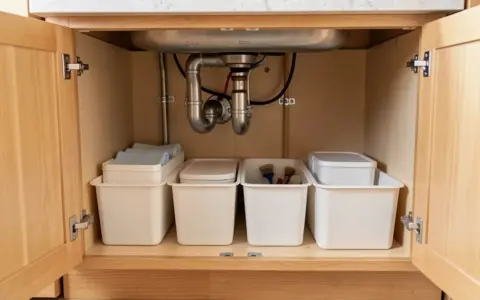
Containers should solve a defined problem. A shallow open basket can keep washcloths from toppling. A breathable bag protects a seldom-used quilt from dust. A shelf divider can stop two towel stacks from merging. An opaque box, by contrast, can make ordinary sheets harder to recognize. If a container consumes precious inches, holds less than the bare shelf, or requires two hands to remove, it may reduce rather than increase usable capacity.
Vacuum bags can shrink bulky synthetic-filled items, but compression is not suitable for every textile or fill. Read the bedding manufacturer’s storage instructions before using them, and avoid long-term compression when the maker warns against it. Make sure the item is clean and bone-dry first. After opening a compressed item, allow it to recover according to its care guidance before use.
Build bundles that shorten the task
A complete sheet bundle prevents the familiar search for the second pillowcase. Fold the flat sheet and pillowcases into the fitted sheet, or slide all pieces into a pillowcase. If people use different bed sizes, keep the bundles on separate shelves or in clearly distinct positions. Visual placement can replace written markers: twin sets left, queen sets right, guest linens on the top shelf. Consistency matters more than a decorative folding technique.
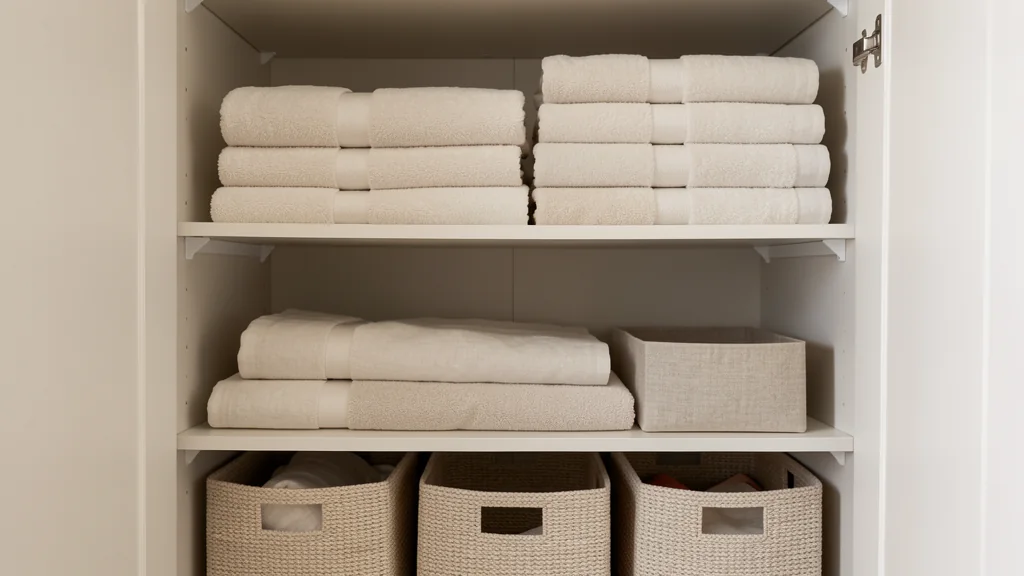
For towels, pick a fold that matches shelf depth and stack height. Folded edges facing outward create a calmer view and make pieces easier to pull. Keep stacks low enough that removing the bottom towel does not cause an avalanche. Rolling can work in a narrow basket, but it is not automatically more compact. Test both methods with the same number of towels and keep the one that fits the actual opening.
Store a guest bundle as a self-contained changeover kit: sheets, pillowcases, and a guest towel set together. This is especially effective in a multipurpose guest room, where storage must support more than one function. Avoid adding toiletries or scented products inside fabric bundles; leaks and fragrance transfer can turn a convenient kit into extra laundering.
Protect airflow and fabric condition
Only store freshly laundered textiles after they have cooled and dried fully. Residual moisture trapped inside a thick fold can create stale odors and support unwanted growth. Leave a little breathing room around stacks rather than pressing fabric tightly against every surface. If the closet itself feels damp, smells earthy, or shows staining, solve the moisture condition instead of covering the linens with fragrance.
Do not place clean bedding directly against unfinished wood, a dusty floor, or a wall with recurring condensation. Use a clean shelf surface or suitable barrier that does not trap moisture. Cedar and scented sachets can affect people with sensitivities and may transfer odor or oils, so they should not be treated as a required storage step. Any pest-control product must be used only where and how its label permits, away from children and pets.
Sunlight can fade some colors and weaken certain fibers over time. A closed cabinet or shaded shelf is generally more appropriate than a sunny window ledge. For valuable, antique, or highly delicate textiles, use material-specific conservation advice rather than ordinary household shortcuts. Plastic, tissue, wood, and compression each interact differently with different fabrics.
Create overflow without creating a mystery zone
If the main cabinet cannot hold everything, divide by point of use rather than scattering random stacks. Keep each bed’s spare set in a breathable under-bed container if the bed frame, floor conditions, and item instructions allow. Use the highest closet shelf for clean, lightweight seasonal bedding, not a heavy box that is awkward to lower. Door-mounted storage should stay within the door and hardware manufacturer’s load limits and must not block safe operation.
A small bathroom may need only its current towel rotation, with replacements stored in a nearby hall cabinet. The same principle appears in small bathroom organization: place supplies where they support the routine without overloading a humid room. Keep an inventory by location in your phone if textiles are split among several spaces, but avoid labeling every piece when a simple, stable arrangement is obvious.
Use a one-shelf reset
When clean laundry returns, finish one category at a time. Straighten its shelf, put the fresh pieces behind or beneath the current rotation if you want even wear, and remove anything that no longer belongs. This takes less effort than emptying the entire closet. A full review is useful when beds change size, household membership changes, or the cabinet repeatedly refuses to close.
Make the shelf boundary visible. A divider, basket edge, or deliberate gap shows when a category has exceeded its home. If a new quilt enters, decide where it fits before placing it temporarily in a hallway. Capacity is a decision tool: when the section is comfortably full, adding another item requires moving, replacing, or reassigning something already there.
Adapt the system to awkward storage
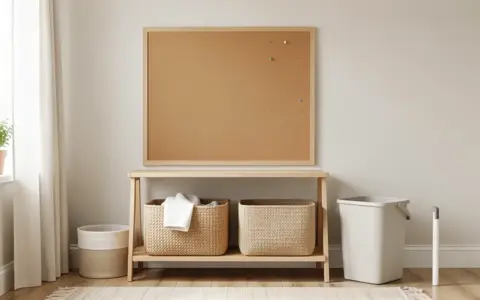
Many homes offer no dedicated linen closet. A narrow wardrobe can still work if shallow shelf inserts keep folded pieces above hanging items without crowding garments. A low dresser can hold one sheet bundle per drawer, while a lidded bench may suit lightweight guest linens if its interior stays clean and dry. Test whether doors, drawers, and lids open fully after loading. Furniture should remain stable and follow any wall-anchoring or placement instructions from its manufacturer.
In a shared home, divide space by responsibility as well as item type. One resident might keep personal towels in a bedroom while communal kitchen cloths occupy a common cabinet. Agree on what clean, in use, and ready for washing mean so damp items do not return to storage. If closet access is limited, place the most frequently used category where everyone who needs it can reach it without a stool.
Temporary needs also deserve a defined container. Extra towels for visiting family, protective bedding used during illness, or seasonal outdoor textiles can occupy one clearly bounded reserve. Once that circumstance ends, launder items according to their labels, inspect them, and return the container to its normal limit. Treating temporary expansion as temporary prevents a special event from permanently taking over everyday shelf space. Store an empty reserve container elsewhere so it does not occupy prime linen space between occasional uses.
Common linen storage mistakes
- Buying organizers before counting. Attractive bins can lock you into dimensions that do not match your textiles or shelves.
- Stacking by color instead of use. A coordinated shelf still fails if bed sizes and complete sets are mixed together.
- Hiding damp fabric. Towels need to dry before entering a closed cabinet, even if the room looks untidy meanwhile.
- Making stacks too tall. A stack that collapses during every change creates repeated work and wrinkled pieces.
- Using every cubic inch. Zero clearance makes air movement, visibility, and retrieval worse.
- Combining utility and personal linens. Separate storage reduces accidental reuse of a work cloth on skin or dishes.
- Ignoring access limits. Heavy bedding overhead, overloaded door racks, and blocked service points create avoidable hazards.
Frequently asked questions
Should sheets be stored inside pillowcases?
It is a convenient way to keep a complete set together, but it is optional. A shallow basket or shelf divider works just as well if pillowcase bundles are hard to identify. Whatever method you choose, confirm that every component is fully dry.
Is it better to roll or fold towels?
Neither method wins in every cabinet. Folding usually makes stable shelf stacks, while rolling can suit narrow cubbies or baskets. Compare equal quantities in your real space and consider how easily one towel can be removed without disturbing the rest.
Can bedding stay under a bed?
Yes, when the area is clean, dry, accessible, and compatible with the bed or storage system. Use a breathable or otherwise suitable enclosure for the textile, keep clearances required by adjustable or mechanical beds, and inspect periodically for dust or moisture.
How often should a linen closet be reorganized?
Use conditions rather than a rigid date. Revisit it when stacks stop fitting, sets become incomplete, the closet develops an odor, or household needs change. Small shelf resets during laundry put-away may prevent a disruptive overhaul.
Final takeaway
Successful limited-space storage is a controlled rotation, not maximum compression. Count what serves the household, protect clean textiles from moisture and dust, give frequent items the best positions, and bundle pieces by real use. When every category fits inside a visible boundary and can be removed without dismantling its neighbors, a small linen area becomes easier to maintain than an overfilled large one.