

A pet-friendly cleaning routine begins with observation rather than a claim that one method is safe for every animal. Dogs, cats, birds, reptiles, small mammals, and other companions encounter the home differently. They may lick floors, sleep against upholstery, investigate buckets, breathe close to treated surfaces, or react to sounds and scents that people barely notice. The routine should manage ordinary mess while reducing opportunities for direct contact with products and equipment.
Work from your animal’s actual paths: where paws enter, fur gathers, food lands, bedding stays damp, and accidents tend to occur. Then choose the gentlest effective process allowed by the surface and product instructions. “Natural,” “green,” and “pet” on marketing material are not complete safety directions. The package label, appliance manual, flooring care guide, and advice from your veterinarian for that particular animal remain more useful than a universal recipe.
Build the routine around pet-generated mess
Make a short map with five possible sources: entry dirt, loose hair, food and water, resting areas, and toileting or accidents. Not every household needs all five. A short-haired indoor cat may produce different work from a dog that uses a muddy yard, and a caged bird creates debris and airborne particles in a concentrated zone. The map prevents cleaning the entire home with the same intensity.
Next, distinguish dry debris from wet or biological mess. Fur, litter scatter, crumbs, and dried soil are usually easier to collect before using liquids. Water splashes, urine, vomit, feces, and food residue require prompt, contained handling suited to the surface. Gloves, washable tools, and separation from food-preparation items can make that process more controlled. Follow veterinary advice when the mess may reflect illness or parasites.
Finally, note the surfaces beneath each source. Sealed hard flooring, unfinished wood, stone, carpet, upholstery, crate trays, and painted walls have different care limits. A method that removes a spot from tile may discolor fabric or enter a wood seam. Test as the material maker directs and avoid saturating areas that cannot dry readily.
Use a three-moment rhythm instead of one cleaning day
After the event means taking a small action when the mess is easiest to control. Wipe a water splash, collect tracked litter, hang a damp towel, or remove soiled bedding. These tiny resets prevent moisture and debris from spreading through the house.
During the normal household pass means collecting fur and soil from the routes that accumulate them. Vacuum or sweep with equipment suitable for the surface, empty it according to its manual, and check brushes for wrapped hair only after the machine is safely powered down. This pass can follow need rather than a fixed daily promise.
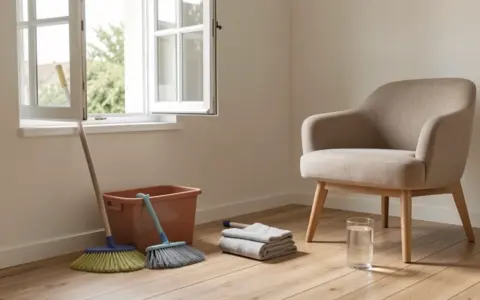
At the equipment reset means washing reusable cloths, cleaning pet-safe tools as directed, replacing liners, and returning products to secure storage. A routine is incomplete if the mop stays wet, the vacuum bin remains full, or a spray bottle sits where an animal can investigate it. Closing the loop prepares the home for the next event.
Control fur and tracked debris before they travel
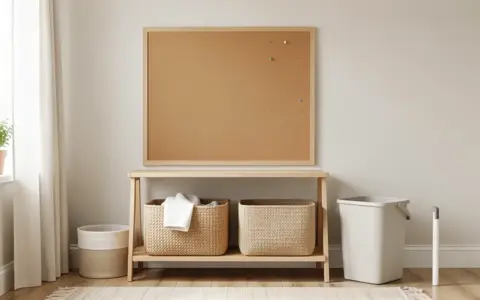
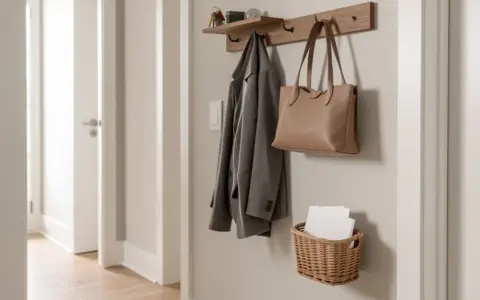
At the pet’s main entrance, create a stable landing area that does not block the walkway. A washable mat compatible with the floor, an absorbent towel stored dry, and a hook or container for walking gear can intercept dirt. Follow the pet’s handling needs; not every animal tolerates paw wiping, and forcing it can create stress or a bite risk. A veterinarian or qualified trainer can help with cooperative handling.
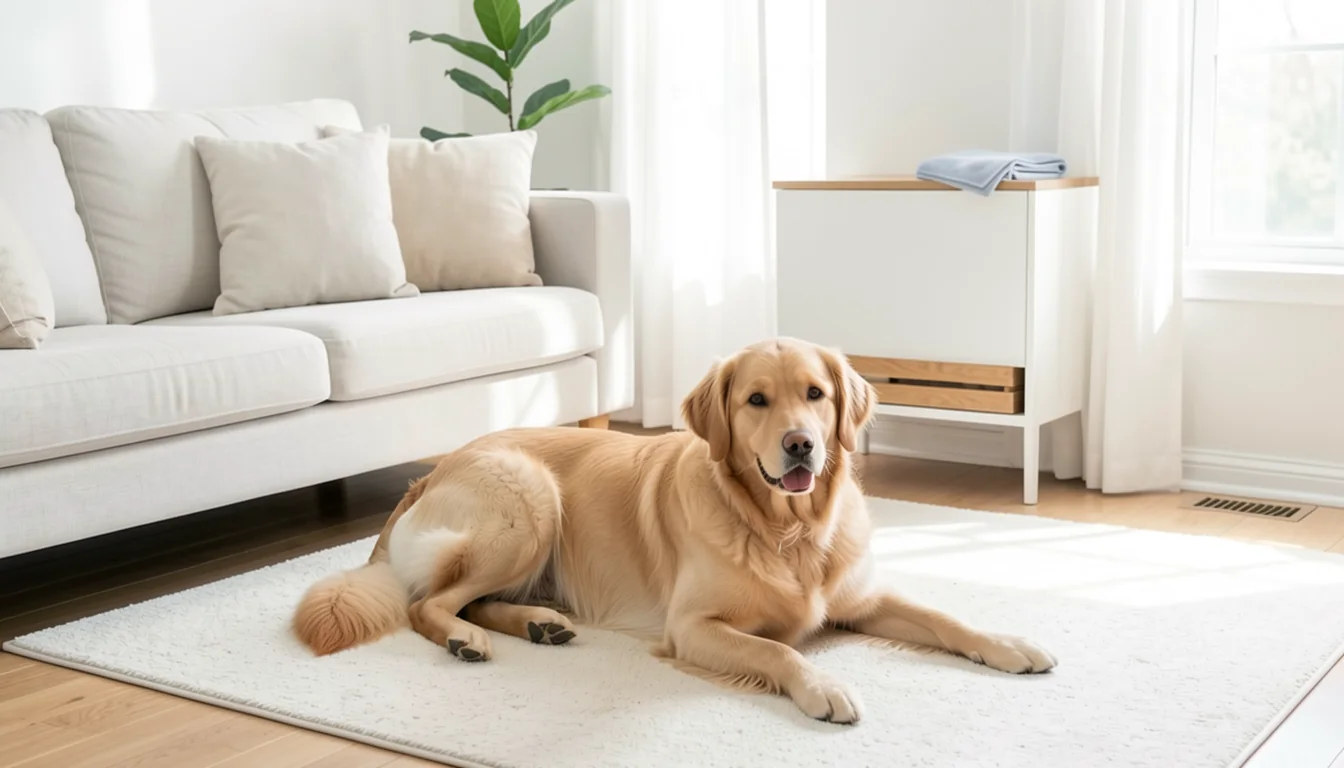
Collect fur with the least disruptive suitable tool. A vacuum with a maintained filter may work for floors and upholstery approved by its manual. A washable cover can protect a favorite resting spot and move the cleaning task from a sofa cushion to the laundry. Brush the animal only with species- and coat-appropriate tools, and treat grooming as separate from cleaning household surfaces.
Noise matters. Some animals hide, chase, attack, or become distressed around vacuums and robotic equipment. Provide a secure quiet area, close gates or doors appropriately, and manage cords and moving machines. Never assume the pet will simply learn to avoid equipment. If a device operates automatically, follow its manual and consider whether accidents, toys, fringe, bowls, or tails can enter its path.
Clean food and water zones without cross-contamination
Place bowls on a surface or mat that can be cleaned by a method suitable for the material. Pick up spilled food before it is crushed into flooring, and wipe standing water so it does not migrate beneath baseboards or furniture. Wash bowls and feeding tools according to their maker’s directions and veterinary recommendations for the pet’s diet and health. Raw or medically prescribed foods may require specific handling guidance.
Keep pet bowls, scoops, and cleaning implements separate from products used for litter boxes or accident cleanup. If items go in a dishwasher, confirm that the bowl manufacturer and appliance instructions allow it. Do not improvise a sanitizer concentration or rely on fragrance as proof of cleanliness. Rinsing and drying requirements come from the product and item directions.
Store food closed as its package requires, away from cleaners and inaccessible to the pet. Wipe the exterior of storage containers when residue develops. If ants or other pests appear, protect animals from traps or treatments and use pest-control products strictly according to their labels. “Out of the way” is not the same as inaccessible to a determined cat, dog, or small child.
| Zone | First response | Routine reset | Safety check |
|---|---|---|---|
| Entry and paw path | Capture loose soil and blot moisture. | Wash the mat or towel by its care directions. | Keep the path nonslip and do not force handling. |
| Resting area | Remove loose fur and inspect damp spots. | Launder removable covers according to both textile and machine instructions. | Return bedding only when product directions and drying needs are satisfied. |
| Food and water | Pick up food and wipe standing water. | Clean bowls and mats with dedicated appropriate tools. | Separate feeding items from litter and accident supplies. |
| Litter or toilet area | Contain scatter or waste without spreading it. | Refresh the surrounding surface using a compatible method. | Follow veterinary advice and litter or product directions; provide ventilation as appropriate. |
| Shared floor | Remove fur and grit before wet cleaning. | Use only a labeled, surface-compatible process when needed. | Restrict access for the full time stated by the label, including drying or rinsing. |
Choose and use products by evidence, not scent
Read the entire label before first use, even if you have used a similar product. Check approved surfaces, dilution, personal protection, ventilation, contact time, rinsing, storage, and disposal. The U.S. Environmental Protection Agency’s explanation of the Safer Choice label can help consumers understand one voluntary product designation, but no seal replaces the directions on a specific package or a veterinarian’s advice about an animal.
Do not mix cleaning products or add essential oils, fragrance, vinegar, bleach, or another ingredient to create a homemade blend. Compatibility and exposure depend on chemistry, concentration, species, route, and surface. Birds and other animals may be especially sensitive to airborne substances, while cats and dogs can walk through residue and later groom it from their feet. Species-specific questions belong with a veterinarian.
During use, move the animal to a secure area with its needs met. Keep original containers closed when not dispensing, and never leave a bucket unattended. Apply products in the manner the label specifies; “more” or “longer” is not automatically more effective. Reopen the area only after all stated ventilation, rinsing, and drying conditions are complete.
Handle bedding, toys, and soft surfaces as separate systems
Read both the textile tag and the laundry product label. Shake or vacuum loose hair in an appropriate location before washing if that is compatible with the item. Do not overload the washer with bulky beds, and confirm that the machine can handle the item’s weight when wet. Foam inserts, heated beds, waterproof layers, and covers may require different care.
Inspect toys rather than washing every object the same way. Porous plush, rubber food toys, rope, electronics, catnip-filled pieces, and chews have distinct limits. Follow the maker’s instructions, discard damaged items when they create an ingestion or entanglement hazard, and allow washable toys to dry as required before returning them. A strong fragrance is not a cleanliness standard.
For carpet and upholstery, begin by blotting and lifting material rather than rubbing it outward. Use an approved method and avoid saturating padding. Persistent odor may indicate residue below the visible surface, not a need for stronger perfume. Repeated accidents can also be a medical or behavioral signal, so contact the veterinarian instead of addressing only the stain. For shared switches, handles, and similar fixtures outside pet zones, use the same surface-first logic described in the guide to cleaning high-touch areas safely.
Give tools a clean finish and a secure home
Assign distinct cloths or tools to food zones, general floors, and toileting cleanup. Visual differences in color or shape can help household members keep them separate without requiring a complicated chart. After use, clean and dry the tools by their instructions. Store them away from pet food, human food, and animal access.
Keep products in original packaging and in storage that meets every label. The space beneath a sink is not automatically appropriate; the cabinet must also account for plumbing and access risks. The detailed approach to safe under-sink organization can help you decide whether that location works or whether supplies need a separate secured area.
When cleaning is complete, wash hands as appropriate and inspect the route back to the pet. Remove cords, close appliance doors, empty standing water, and ensure no damp cloth or open container remains. This final scan is often more valuable than adding another cleaning step.
Common pet-cleaning mistakes
- Using fragrance to chase odor: scent can cover a clue without removing the material causing it, and added airborne substances may be unsuitable.
- Trusting front-label language alone: general marketing terms do not explain every species, surface, dilution, or exposure route.
- Letting pets reenter too soon: the applicable label may require rinsing, ventilation, drying, or another condition before access.
- Wet-cleaning before collecting debris: water can turn hair, litter dust, and soil into harder-to-remove residue.
- Using one cloth everywhere: moving a rag from an accident area to a food zone spreads material through the house.
- Ignoring distress around equipment: a vacuum or robot can be a meaningful stressor or physical hazard for a particular animal.
- Treating repeated accidents as a housekeeping failure: a change in elimination can warrant veterinary attention.
Frequently asked questions
Does pet-friendly mean a cleaner can be used around any animal?
No. The phrase does not establish universal suitability. Read the complete label and ask a veterinarian about the animal’s species, age, health, and likely exposure. Follow restrictions for surfaces, ventilation, rinsing, drying, and storage.
How often should I clean pet areas?
Use visible soil, odor source, moisture, shedding, the animal’s health needs, and product or equipment instructions as triggers. A single timetable cannot fit every pet or home. Small event-based resets often prevent the need for a disruptive whole-house session.
Can I use essential oils in a cleaning mixture?
Do not invent mixtures. Concentration, route of exposure, and species matter, and a pleasant human scent does not indicate safety. Use a labeled product as directed and consult the veterinarian when you have ingredient concerns.
What should I do if my pet contacts a cleaning product?
Move the animal away from further exposure without putting yourself at risk, use the product label’s first-aid directions, and contact a veterinarian or the emergency resource identified on the label. Keep the original package available so professionals know the exact product.
How can I reduce pet odor without masking it?
Locate the source, remove the material with a surface-compatible method, launder washable covers as directed, dry damp areas, and maintain litter, bedding, or food zones. Persistent or sudden body odor and recurring accidents merit veterinary guidance.
Final takeaway
A pet-friendly cleaning routine is a set of controlled handoffs: contain the mess, collect dry debris, choose a method for the actual surface, separate the animal, follow every product condition, and close tools and supplies away. Map the pet’s routes instead of cleaning every room alike. When the routine responds to real events and respects labels, manuals, material care, and veterinary advice, the home can feel orderly without relying on risky recipes or one-size-fits-all safety claims.